
























February Rose care
Rose care in February varies widely across the United States as winter lingers in the north and spring teases its first blooms in the south. From frost and snow to warming soils and early growth, roses need region-specific attention to thrive.
There’s no one-size-fits-all approach to winter rose care, which is why we’ve created this guide to walk you through the essential steps for healthy, beautiful roses in your climate.
Whether you’re protecting dormant bushes from freeze damage or preparing beds for new growth, this month’s checklist will help you nurture strong canes, encourage early buds, and set the stage for a brilliant spring bloom season.
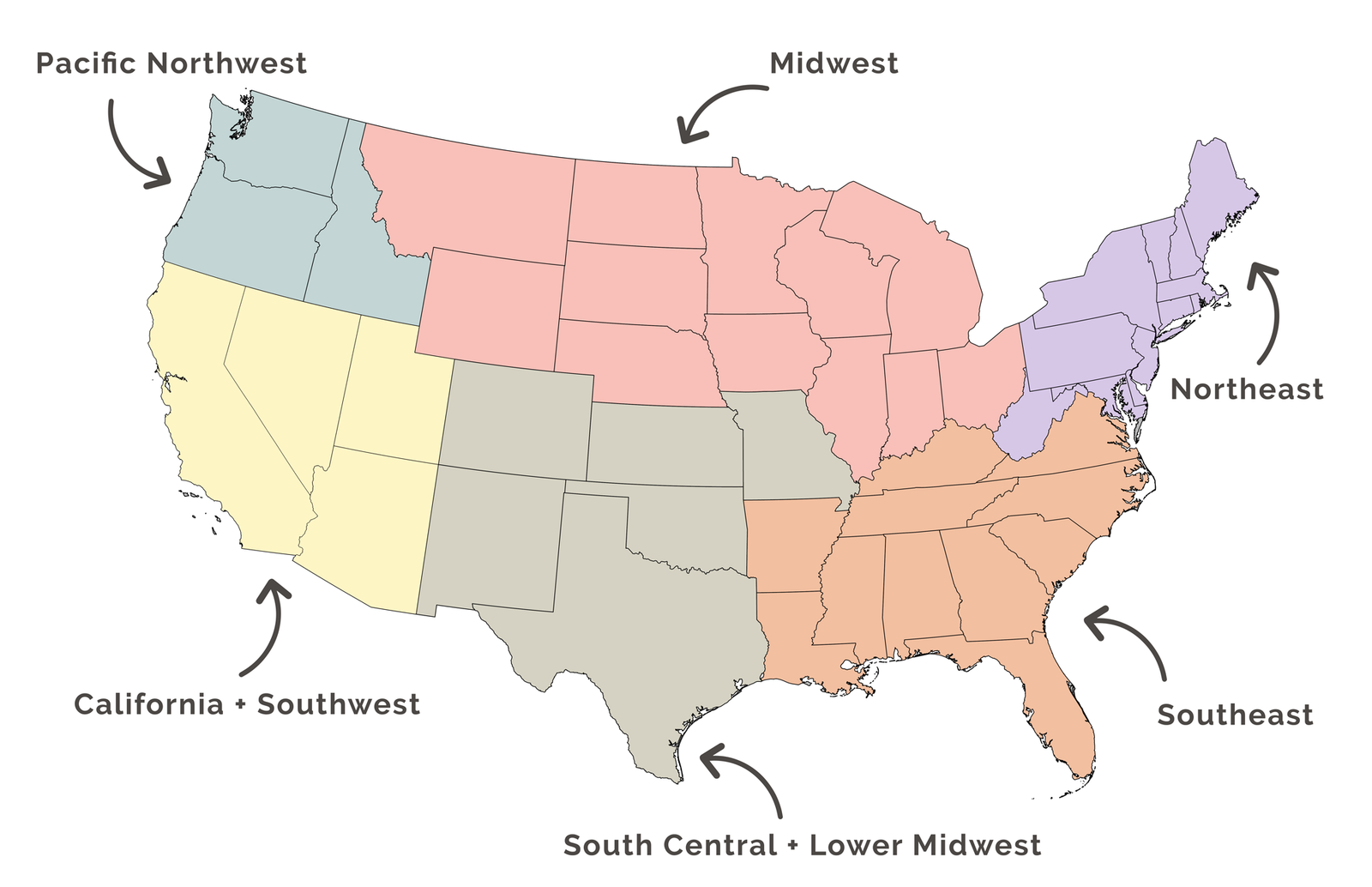
Southeast
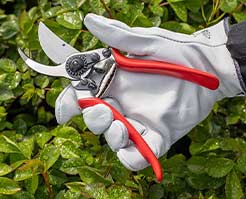
- Pruning (Early February): Remove dead, weak, or crossing canes to encourage airflow and healthy growth. For non-climbing roses, aim for 18–24” height. For climbing roses, follow this detailed pruning guide. Wait until hard frost risk (under 28°F) has passed.
- Plant Roses: Ideal planting time. Learn how to choose sunny, well-drained spots and water properly in our full rose planting guide.
- Feed Roses: Begin a regular feeding schedule every 4–6 weeks once new leaves appear. Use a liquid fertilizer like Founders Fish Fertilizerfrom the first season onward. Once your roses are established in the ground, you can choose a granular fertilizer such as Heirloom Boost & Bloom instead
- Apply Fungicide: Protect roses from pests and fungal diseases. See our recommended fungicides.
- Refresh Mulch: 2–3” around the base to retain moisture and prevent weeds. Mint Compost is a great optional choice for added nutrients.
Southwest + California
- Pruning (Early February): Remove dead, weak, or crossing canes to encourage airflow and healthy growth. For non-climbing roses, aim for 18–24” height. For climbing roses, follow this detailed pruning guide. Wait until hard frost risk (under 28°F) has passed.
- Plant Roses: Ideal planting time. Learn how to choose sunny, well-drained spots and water properly in our full rose planting guide.
- Feed Roses: Begin a regular feeding schedule every 4–6 weeks once new leaves appear. Use a liquid fertilizer like Founders Fish Fertilizerfrom the first season onward. Once your roses are established in the ground, you can choose a granular fertilizer such as Heirloom Boost & Bloom instead
- Apply Fungicide: Protect roses from pests and fungal diseases. See our recommended fungicides.
- Refresh Mulch: 2–3” around the base to retain moisture and prevent weeds. Mint Compost is a great optional choice for added nutrients.
South Central + Lower Midwest
- Pruning: Remove dead, weak, or crossing canes to encourage airflow and healthy growth. For non-climbing roses, aim for 18–24” height. For climbing roses, follow this detailed pruning guide. Wait until hard frost risk (under 28°F) has passed.
- Apply Fungicide: Protect roses from pests and fungal diseases. See our recommended fungicides.
Pacific Northwest
- Pruning (Mid Febuary to Early March): Remove dead, weak, or crossing canes to encourage airflow and healthy growth. For non-climbing roses, aim for 18–24” height. For climbing roses, follow this detailed pruning guide. Wait until hard frost risk (under 28°F) has passed.
- Apply Fungicide: Protect roses from pests and fungal diseases. See our recommended fungicides.
Northeast (roses are still dormant)
- Dormant Spray: Apply to protect from pests and fungal spores. Shop our recommended dormant sprays.
- Planning: Prepare your spring garden wishlist.
Midwest (roses are still dormant)
- Dormant Spray: Apply to protect from pests and fungal spores. Shop our recommended dormant sprays.
- Planning: Prepare your spring garden wishlist.