


April Rose Care
April is the month to take control of your garden. Prune, feed, plant, and protect your roses according to your region. Our step-by-step guide shows exactly what to do this month to keep your roses strong and healthy.
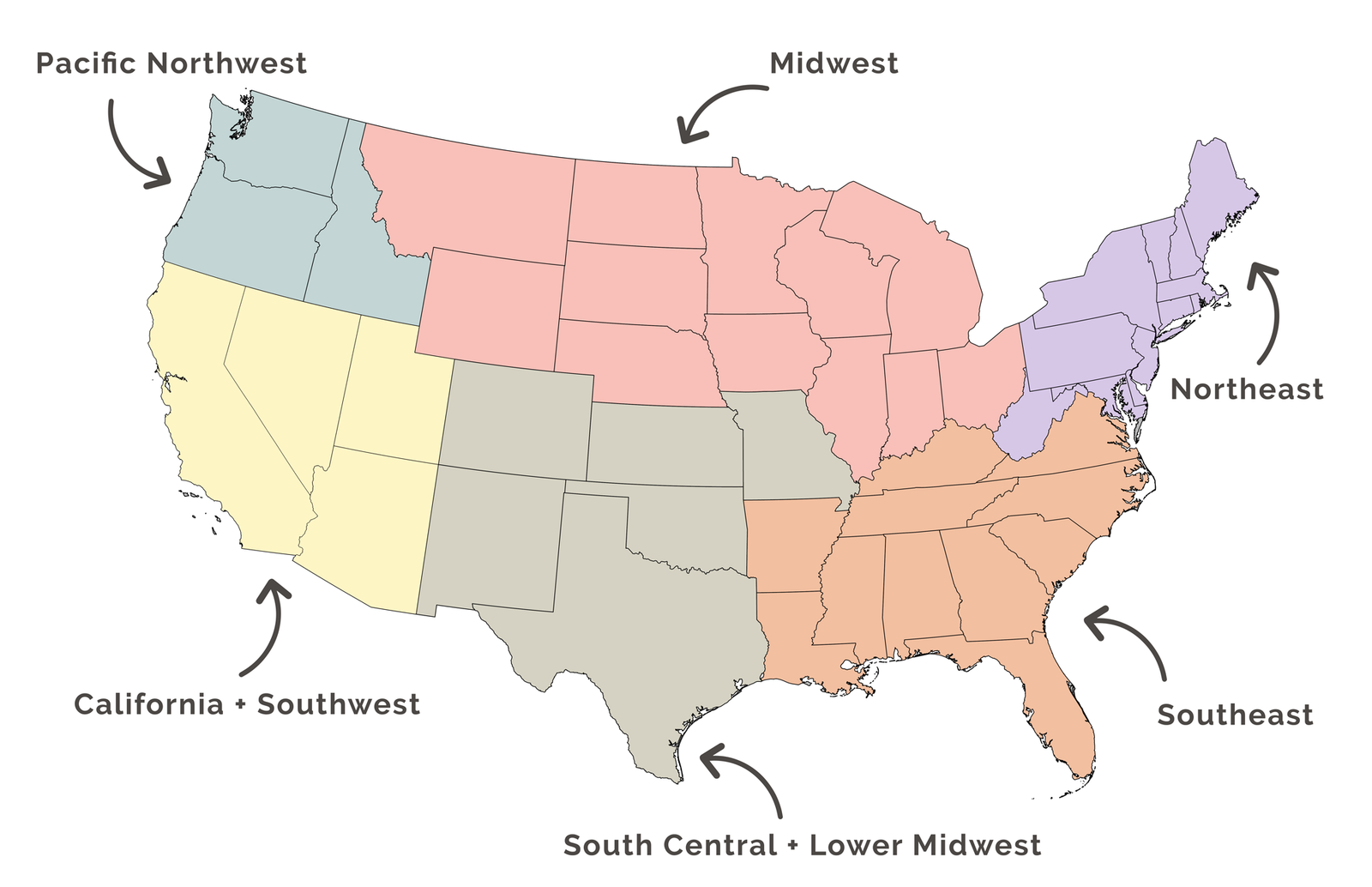
Southeast
- Plant Roses: Learn how to choose sunny, well-drained spots and water properly in our full rose planting guide.
- Feed Roses: Feed your rose every 4–6 weeks. Use a liquid fertilizer like Founders Fish Fertilizer from the first season onward. Once your roses are established in the ground (year 2+), you can choose to use a granular fertilizer such as Heirloom Boost & Bloom instead.
- Apply Fungicide & Monitor Pests: Spring rain brings fungal diseases like black spot; treat with fungicide to protect leaves. Keep an eye out for pests such as aphids; hose them off or use a gentle insecticidal soap. See our recommended fungicides for effective options.
- Water as Needed: Avoid overwatering or underwatering; here’s how.
Southwest + California
- Plant Roses: Learn how to choose sunny, well-drained spots and water properly in our full rose planting guide.
- Feed Roses: Feed your rose every 4–6 weeks. Use a liquid fertilizer like Founders Fish Fertilizer from the first season onward. Once your roses are established in the ground (year 2+), you can choose to use a granular fertilizer such as Heirloom Boost & Bloom instead.
- Apply Fungicide & Monitor Pests: Spring rain brings fungal diseases like black spot; treat with fungicide to protect leaves. Keep an eye out for pests such as aphids; hose them off or use a gentle insecticidal soap. See our recommended fungicides for effective options.
- Water as Needed: Avoid overwatering or underwatering; here’s how.
South Central + Lower Midwest
- Plant Roses: Learn how to choose sunny, well-drained spots and water properly in our full rose planting guide.
- Feed Roses: Feed your rose every 4–6 weeks. Use a liquid fertilizer like Founders Fish Fertilizer from the first season onward. Once your roses are established in the ground (year 2+), you can choose to use a granular fertilizer such as Heirloom Boost & Bloom instead.
- Apply Fungicide & Monitor Pests: Spring rain brings fungal diseases like black spot; treat with fungicide to protect leaves. Keep an eye out for pests such as aphids; hose them off or use a gentle insecticidal soap. See our recommended fungicides for effective options.
- Water as Needed: Avoid overwatering or underwatering; here’s how.
Pacific Northwest
- Plant Roses: Learn how to choose sunny, well-drained spots and water properly in our full rose planting guide.
- Feed Roses: Begin a regular feeding schedule every 4–6 weeks once new leaves appear. Use a liquid fertilizer like Founders Fish Fertilizer from the first season onward. Once your roses are established in the ground (year 2+), you can choose a granular fertilizer such as Heirloom Boost & Bloom instead.
- Apply Fungicide: Protect roses from pests and fungal diseases. See our recommended fungicides.
- Refresh Mulch: Annually in spring, 2–3” around the base to retain moisture and prevent weeds. Mint Compost is a great option for added nutrients.
Northeast
- Remove Winter Protection: Take off winter coverings from your roses once nightly temperatures consistently stay between 20°F and 25°F and the soil has thawed. Begin removing mulch in stages, starting when you notice new growth.
- Pruning: Remove dead, weak, or crossing canes to encourage airflow and healthy growth. For non-climbing roses, aim for 18–24” height and follow our general pruning guide. For climbing roses, follow this climbing roses pruning guide.
- Transplant Roses: Ready to relocate a rose? Wait until the risk of frost is gone, then follow our guide for a smooth transplant.
- Apply Fungicide: Protect roses from pests and fungal diseases (once winter protection has been removed).See our recommended fungicides for effective options.
- Feed Roses: Begin a regular feeding schedule every 4–6 weeks once new leaves appear. Use a liquid fertilizer like Founders Fish Fertilizer from the first season onward. Once your roses are established in the ground (year 2+), you can choose a granular fertilizer such as Heirloom Boost & Bloom instead.
- Refresh Mulch: Annually in spring, 2–3” around the base to retain moisture and prevent weeds. Mint Compost is a great option for added nutrients.
- Plant Roses: Learn how to choose sunny, well-drained spots and water properly in our full rose planting guide. Wait until hard frost risk (under 28°F) has passed before planting.
Midwest
- Remove Winter Protection: Take off winter coverings from your roses once nightly temperatures consistently stay between 20°F and 25°F and the soil has thawed. Begin removing mulch in stages, starting when you notice new growth.
- Pruning: Remove dead, weak, or crossing canes to encourage airflow and healthy growth. For non-climbing roses, aim for 18–24” height and follow our general pruning guide. For climbing roses, follow this climbing roses pruning guide.
- Transplant Roses: Ready to relocate a rose? Wait until the risk of frost is gone, then follow our guide for a smooth transplant.
- Feed Roses: Begin a regular feeding schedule every 4–6 weeks once new leaves appear. Use a liquid fertilizer like Founders Fish Fertilizer from the first season onward. Once your roses are established in the ground (year 2+), you can choose a granular fertilizer such as Heirloom Boost & Bloom instead.
- Apply Fungicide: Protect roses from pests and fungal diseases (once winter protection has been removed). See our recommended fungicides for effective options.
- Refresh Mulch: Annually in spring, 2–3” around the base to retain moisture and prevent weeds. Mint Compost is a great option for added nutrients.
- Plant Roses: Learn how to choose sunny, well-drained spots and water properly in our full rose planting guide. Wait until hard frost risk (under 28°F) has passed before planting.